


The ecological crisis is just as significant as the climate crisis, and both pose a serious threat to the stability of the global economy, which is heavily influenced by the health of natural systems. This perception is very strong among businesses. The latest edition of the World Economic Forum’s Global Risk Report presents the results of a survey of more than 1,200 experts: biodiversity loss and the resulting collapse of ecosystems are considered one of the most significant risk factors over a 10-year time horizon. In this context, international institutions, governments, and businesses have increased their focus on biodiversity restoration and laid the groundwork for the emergence of a nature-positive economy. This concept was developed by the GG4N expert group, which proposed the adoption of a global goal—the so-called Global Goal for Nature—as the primary objective of the post-2020 Global Biodiversity Framework (GBF). The Global Goal identifies three measurable time-bound targets: Zero net loss of a natural nature Positive net balance Nature’s Full Recovery Failure to take swift and decisive action to reverse the trend of ecosystem degradation therefore entails very high costs and risks for the economy.
“Inaction is not an option: there are no winners in a ‘business as usual’ scenario” (World Bank)
The steps needed to achieve a nature-positive economy:
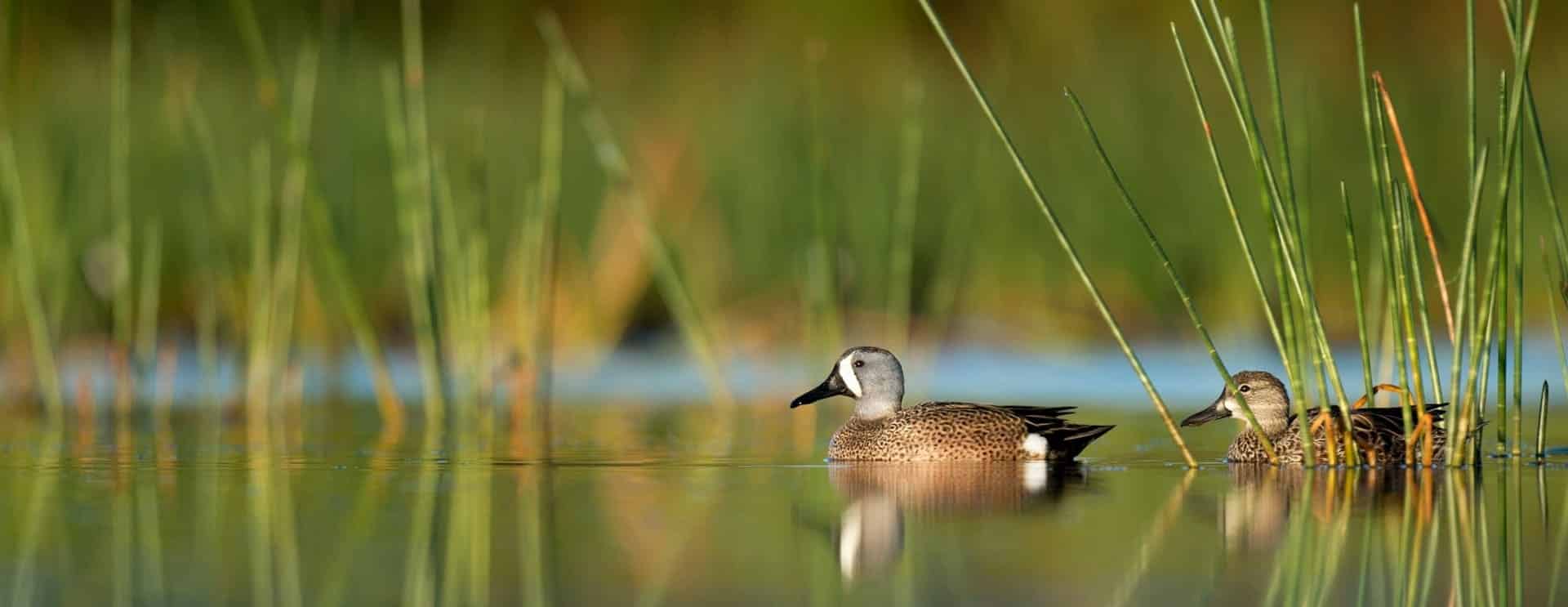 75%
Natural environments of terrestrial ecosystems altered by human impact
66%
Natural habitats in marine ecosystems altered by human impact
90%
Ecosystems that will have deteriorated significantly by 2050, thus continuing
Starting in 2020
Before 2030
Before 2050
Our Vision
A nature-positive economy
Ecosystem restoration
Biodiversity conservation
Raising awareness among businesses
Best practices for nature conservation